

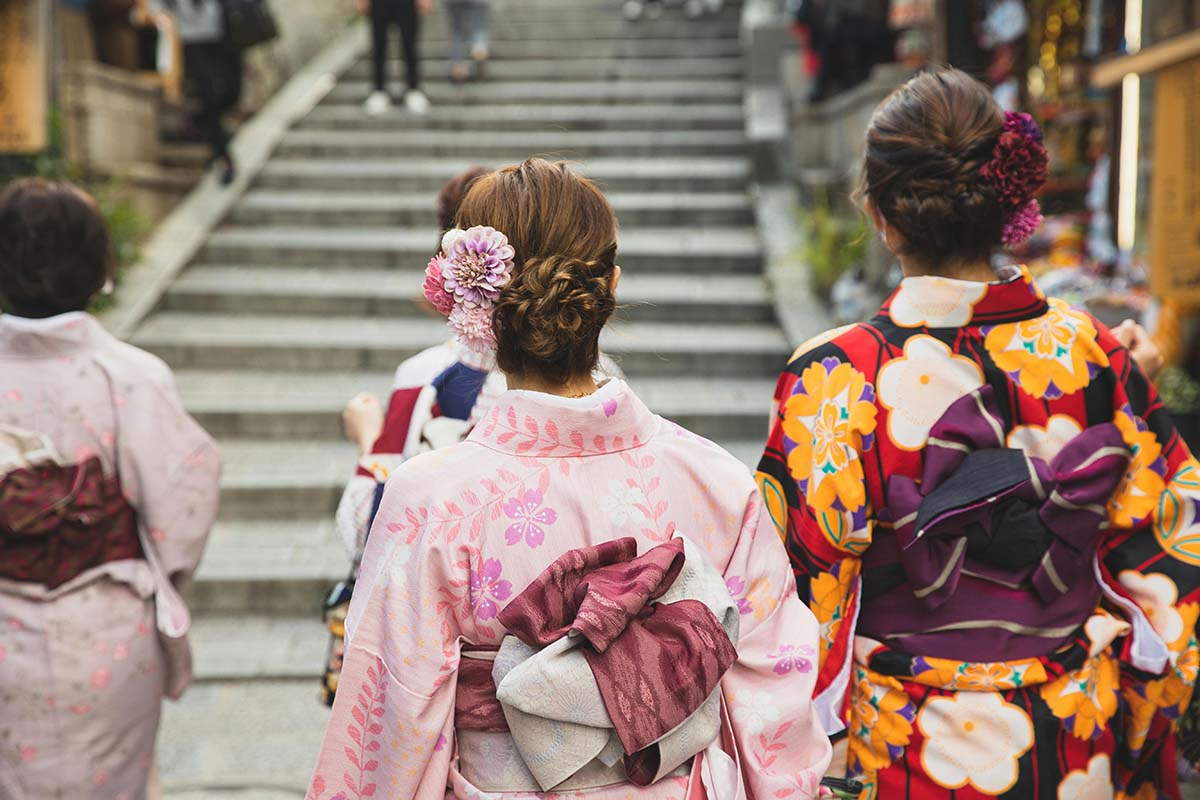



The Journey of a Design: How Culture Shapes Furniture
Good design rarely begins with a single idea. More often, it begins with observation. Designers notice how people gather around tables in cafés. They observe the way travelers rest in hotel lounges after long journeys. They study how sunlight moves through space during the day.
These small observations gradually form the foundation of meaningful design. Furniture, after all, exists to support human behaviour. And behaviour is always influenced by culture.
Design Inspired by Different Places
Across the world, people interact with spaces in different ways. In some cultures, meals are long and social events where friends gather around large tables. In others, smaller and quieter seating arrangements allow more intimate conversation. Outdoor dining may be central to daily life in one region, while indoor comfort becomes more important in another.
Designers often draw inspiration from these differences. A chair may take inspiration from traditional craftsmanship. A table may reflect the communal nature of shared dining. Materials may reference the textures of a particular region.
When these influences are translated thoughtfully, furniture begins to carry subtle cultural stories within its form.
Furniture That Travels Across Cultures
Today, furniture rarely stays within one geographical region. A chair designed in Europe may appear in a restaurant in Singapore. A table created in Asia may find its place in a hotel in Amsterdam. Hospitality and workspace environments around the world often share common needs for comfort, durability, and versatility.
This global movement requires furniture that adapts easily to different spaces and cultures.Designs that rely on balanced proportions, honest materials, and simple forms tend to travel well. They feel familiar without being tied to a single place.
Versatility in Modern Spaces
Restaurants, hotels, and workplaces have also become more flexible in how they operate. A hotel lobby may transform from a quiet lounge during the day into a lively social space in the evening. A workspace may shift between individual focus and collaborative discussion. Outdoor terraces now serve as dining areas, meeting spaces, and social gathering points.
Furniture that supports these changing environments must remain adaptable. Pieces that are comfortable, durable, and visually balanced allow spaces to evolve naturally throughout the day.

Design That Endures Beyond Trends
One of the most valuable qualities in furniture design is longevity. Trends in interior design come and go quickly. Colours, shapes, and materials may change from season to season. But furniture that is built with thoughtful proportions and honest materials tends to remain relevant over time.
These designs do not compete for attention. Instead, they quietly support the environment around them. Over the years, they become part of the identity of a space.
A Continuing Journey of Design
In many ways, design is a continuous journey.
Ideas travel between cultures, designers observe new environments, and materials evolve through innovation and sustainability. Each project becomes another opportunity to refine how furniture supports the spaces where people live, work, and gather. The result is not just furniture, but a collection of experiences shaped by different places and perspectives.
And like any journey, the most interesting discoveries often come from observing the world along the way.


Leave a Reply