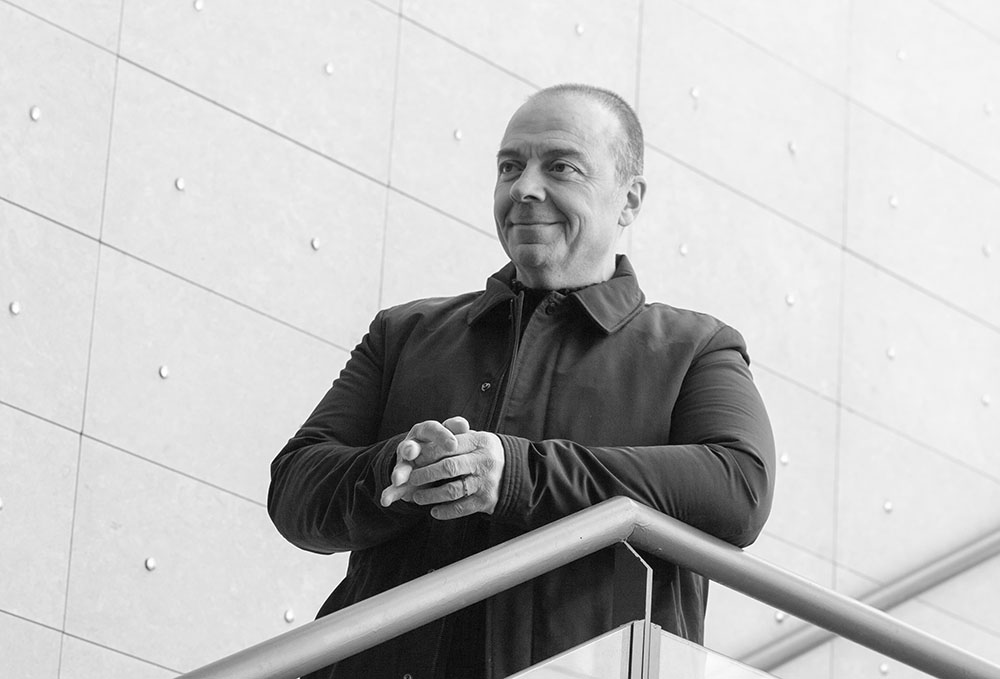
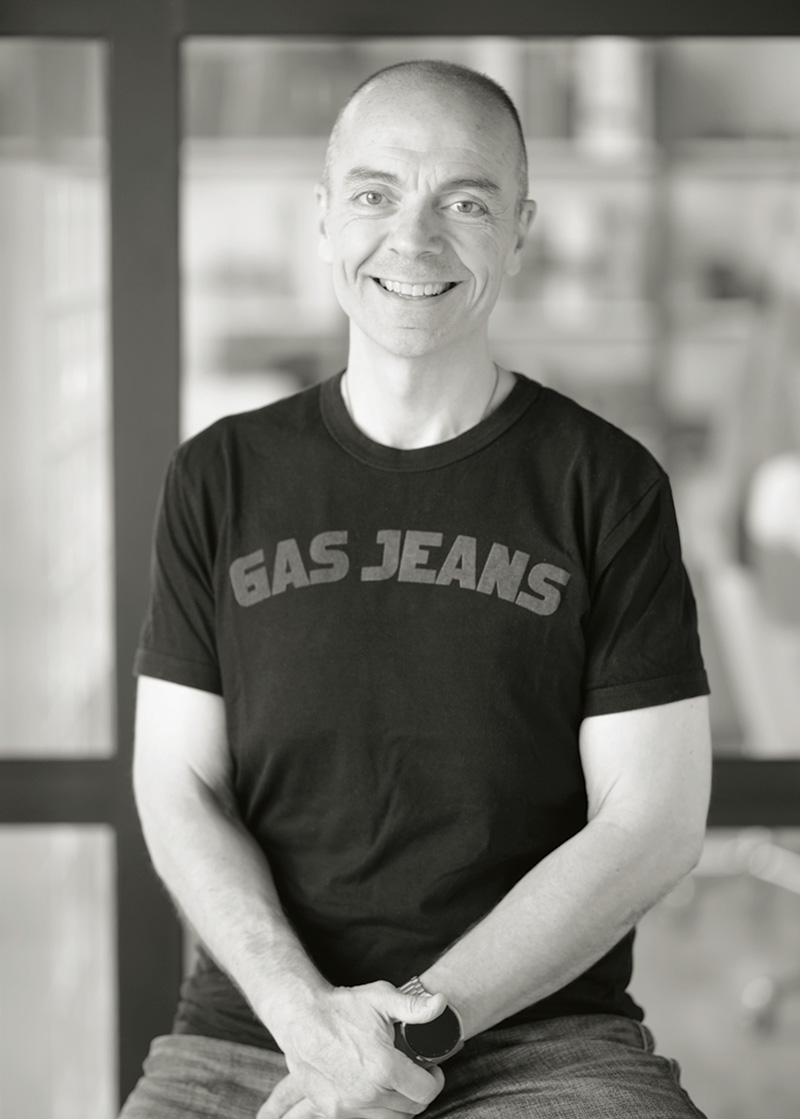
Enrique Martí: Designing What Matters
It Began as Instinct
Long before design became his profession, it was already part of how Enrique Martí saw the world. What began as curiosity slowly became instinct. While others saw finished objects, he was drawn to what lay beneath them. How things were made, how materials behaved, and how form could be shaped into something useful, something meaningful.
Growing up in a family connected to the furniture industry, he was surrounded by making. Workshops, materials, and production were not distant ideas but part of everyday life. It was here that his understanding of design took root, not as a career choice, but as a natural way of thinking.
A City That Shaped His View
His formal journey took shape in Valencia, Spain, where he completed his Master’s in Industrial Design. Yet the city itself became as influential as his education. The Mediterranean light, the warmth of materials, and the quiet balance between simplicity and expression shaped his perspective.
These qualities continue to define his work today. There is a sense of clarity in his designs, a restraint that feels deliberate rather than minimal, and a balance that allows each piece to exist comfortably within a space. In many ways, Valencia did not just teach him design. It shaped how he sees.
Learning Through Making
Enrique’s early career at Andreu World marked a turning point. Rising to Head of the Design Department, he spent nearly a decade immersed not only in design, but in the realities of production, ergonomics, and long-term performance.
It was here that design shifted from idea to responsibility. He began to understand that a chair is not simply an object to be admired, but one that must perform consistently, comfortably, and reliably over time.
This experience grounded his philosophy. Design must work. It must justify its existence not only through form, but through function, durability, and use.
Designing Across Cultures
After establishing his own studio, Enrique collaborated with international brands across Europe and beyond. Each project introduced a new context, a new culture, and a new way of living.
Through this, his approach became increasingly clear. Good design does not impose itself. It adapts. A chair designed for a space cannot simply be placed into another without understanding how people gather, sit, and interact within that space.
This ability to translate design across cultures is what defines his work today. It is not about creating something universal. It is about creating something adaptable.
For the People
At the core of Enrique Martí’s philosophy is a belief that is both simple and demanding. Design should serve people.
It is not about making statements or chasing attention. It is about creating objects that quietly improve the way people live. A chair should support the body naturally. A table should invite people to gather without effort. Furniture should make spaces feel intuitive, not imposed.
The best design is often the one that disappears into the background, allowing the experience of the space to take precedence.
Shaping KDS
At Kian Design Studio, Enrique Martí’s role as Design Director is not just about creating products. It is about shaping direction. For the past years, his influence has helped define what KDS stands for. Original design, thoughtful proportion, and furniture that performs in real environments.
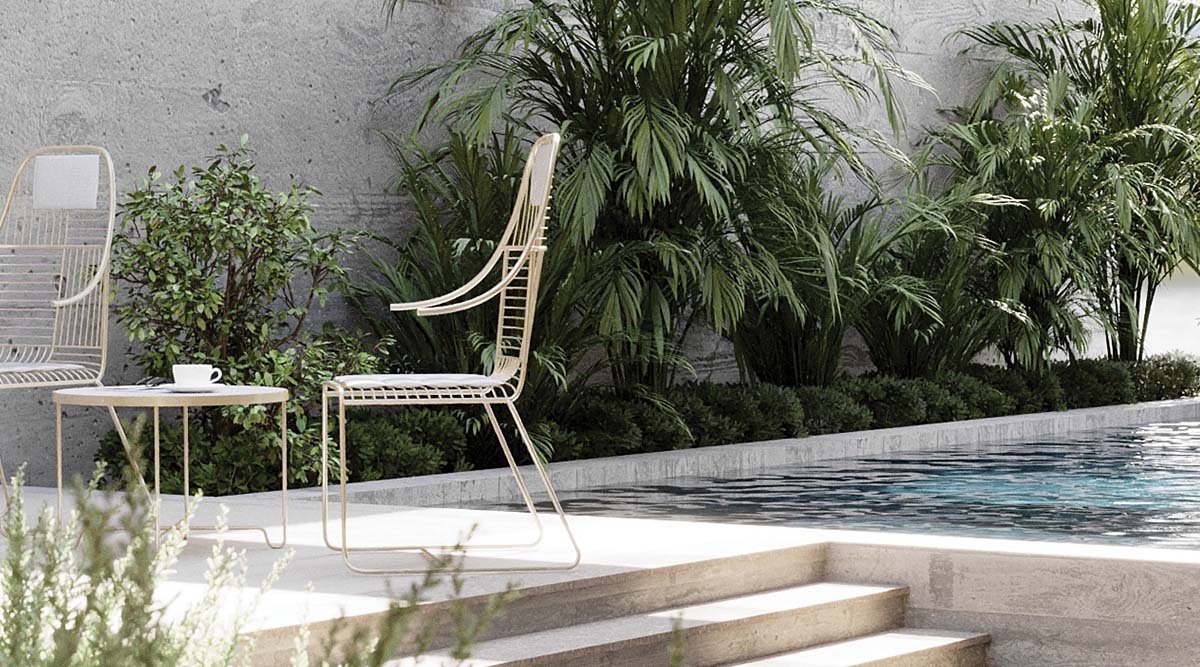
Collections such as Ovni, Nordic, and Zeat reflect this thinking. They are not designed to impress at first glance, but to remain relevant over time. To work across hospitality, workspace, and outdoor environments, from hotels in Europe to cafés in Asia and workplaces around the world.
This is where design becomes more than aesthetics. It becomes value. Better comfort encourages longer engagement. Better proportions improve spatial flow. Better durability reduces replacement and supports long-term use.
In this way, design is not just creative. It is strategic.
Responsibility in Design
For Enrique, sustainability is not an added feature. It is a starting point.
A well-designed product should not need to be replaced quickly. Longevity, material efficiency, and responsible sourcing are considered from the earliest stages of design. Whether through recyclable materials, reduced components, or thoughtful construction, sustainability is embedded into Enrique’s process.
Beyond Just Furniture
At Kian Design Studio, Enrique Martí’s influence extends beyond individual pieces. It shapes how we think about furniture itself. Not as isolated objects, but as part of a larger environment where people gather, work, and connect.
His approach challenges us to design with intention. To remove what is unnecessary. To focus on what truly matters.
Because in the end, furniture is not remembered for how it looks. It is remembered for what it enables.
The conversations. The connections. The moments.
And when design can support all of that quietly and consistently, that is when it truly finds its purpose.


Leave a Reply