The Quiet Relationship Between Design and Wellbeing
Most people rarely think about the relationship between design and wellbeing. Yet the spaces we spend time in shape how we feel more than we realise.
A bright café that invites people to stay longer. A calm hotel lobby that allows travellers to unwind after a long journey. A workspace where conversations flow easily between colleagues.
These environments feel different not only because of their architecture, but because of the details that support human comfort. Light, acoustics, materials, and furniture all influence how people experience a space. Good design does not only improve how a place looks. It supports how people feel.
The Spaces That Allow Us to Slow Down
Modern life moves quickly. Work schedules are busy, cities are crowded, and attention is constantly divided between screens and conversations. Because of this, environments that allow people to pause have become increasingly important.
In restaurants, comfortable seating encourages guests to enjoy a meal without feeling rushed. In workplaces, thoughtfully designed furniture allows employees to focus, collaborate, and relax throughout the day. In hotels, calm interiors help travellers reset after long journeys. Design cannot remove the pressures of modern life, but it can provide moments of balance within it.
The Quiet Influence of Furniture Design
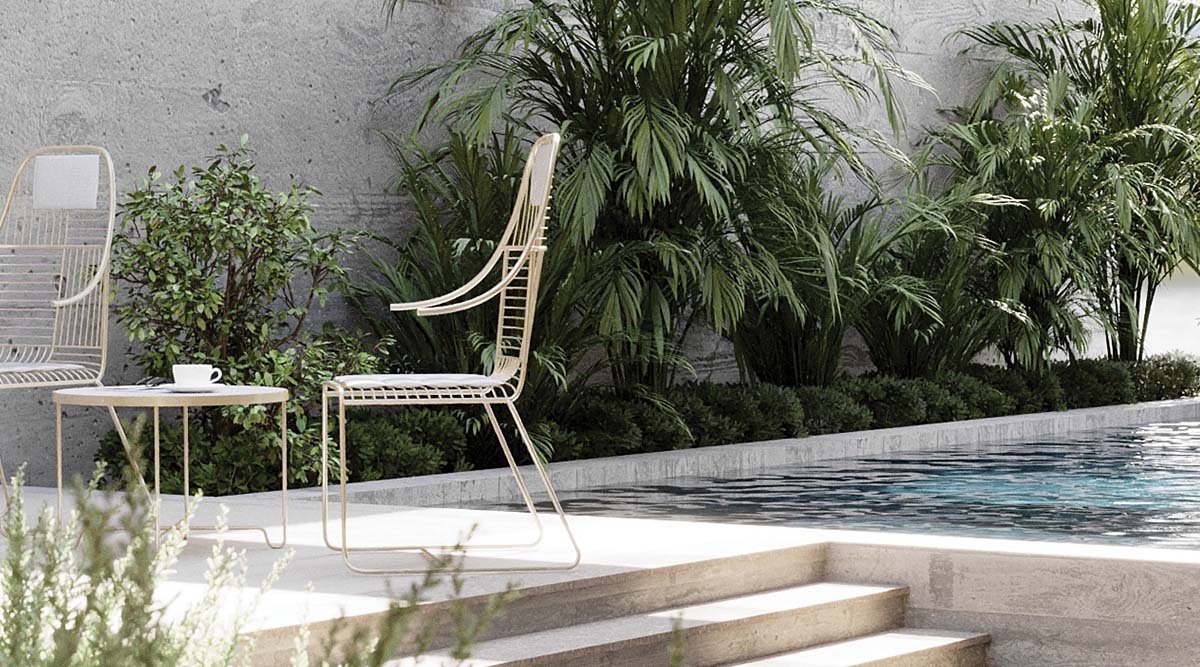
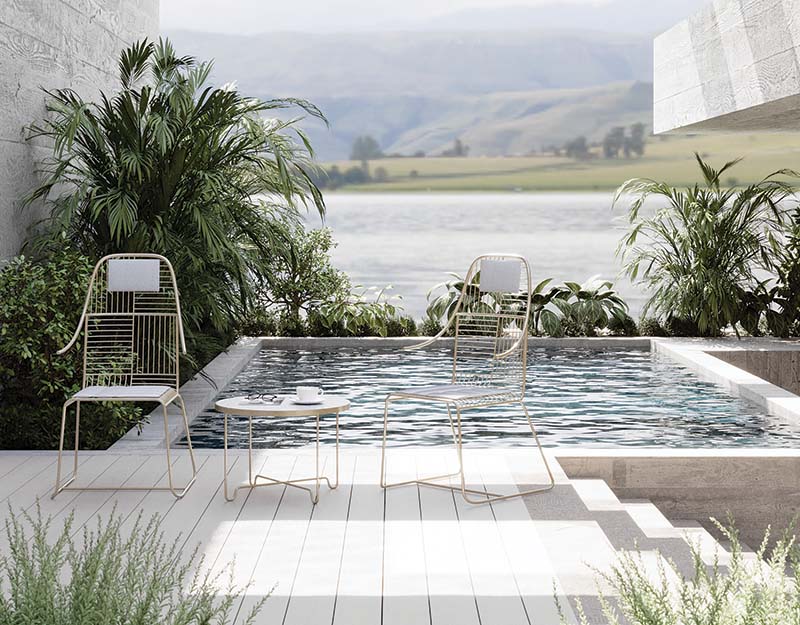
Furniture rarely demands attention, yet it strongly influences how people behave in a space. A well-designed chair supports the body comfortably. When people feel physically relaxed, conversations tend to last longer. A thoughtfully proportioned table becomes a natural centre where people gather without needing to think about it.
Even small details matter. The distance between chairs can influence how easily people engage with one another. If seats are too far apart, the energy of a conversation fades. If they are too close, the space begins to feel uncomfortable. Somewhere between these extremes is a balance where people feel both relaxed and connected. Most people never consciously notice these details, but they feel their effect immediately.
Furniture That Supports Comfort and Calm
Furniture plays a particularly important role in shaping these experiences. A chair that supports the body properly allows muscles to relax. When people feel physically comfortable, they naturally stay longer and engage more openly with others. Tables create natural gathering points where people connect, exchange ideas, or simply spend time together.
Small details also matter. The height of a chair, the depth of a seat, and the texture of materials can subtly influence how welcoming a space feels. These elements often go unnoticed, yet they quietly support wellbeing throughout the day.
Natural Materials and Human Connection
Another aspect of design that influences wellbeing is material choice. Natural materials such as wood, woven fibres, and soft textiles tend to create environments that feel warm and grounded. These materials age gracefully and carry a sense of authenticity that people instinctively respond to.
In contrast, spaces filled only with hard surfaces or artificial finishes can sometimes feel distant or impersonal. Design that balances durability with natural expression often creates interiors where people feel more relaxed and connected.
Spaces That Encourage Human Connection
Perhaps the greatest contribution of good design is the way it supports human interaction.
A well-designed dining space encourages conversation. A thoughtfully arranged workspace allows teams to exchange ideas naturally. A hotel lounge becomes a place where travelers share stories and experiences. Furniture does not create these moments directly, but it provides the structure that makes them possible. In a time when meaningful connection has become increasingly valuable, the environments that support these interactions matter more than ever.
Designing for People, Not Just Spaces
At its best, design is not simply about creating beautiful objects or impressive interiors. It is about understanding how people move, sit, talk, and interact within a space. When design responds to these behaviours, the result is environments that feel intuitive and comfortable.
Furniture then becomes more than a functional object. It becomes part of the experience of everyday life. When a space supports both comfort and connection, it quietly contributes to something much larger: the wellbeing of the people who use it.









Leave a Reply