


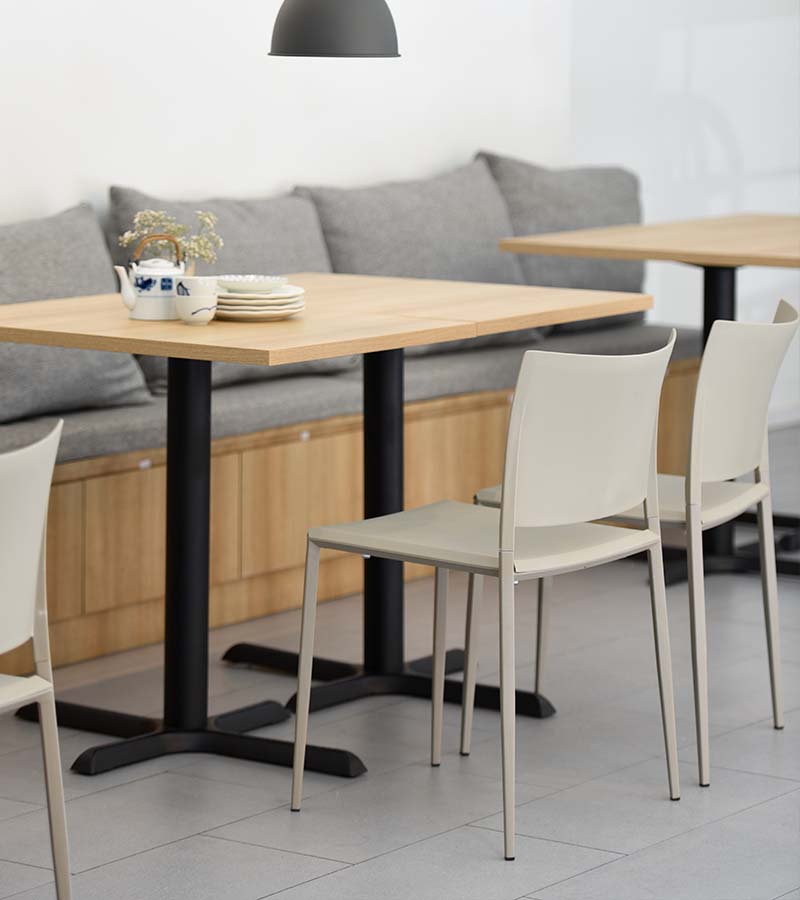
Why the Places We Gather Matter More Than Ever
In restaurants, offices, hotels, and cafés, certain spaces naturally draw people in. Someone sits down for a quick meeting and ends up staying longer than planned. A short coffee becomes a long conversation. A dinner that was meant to finish early continues late into the evening.
These moments often feel spontaneous, but they rarely happen by accident. Behind them is usually a thoughtful environment where light, materials, layout, and furniture quietly work together to support how people gather.
Today, as life moves faster and attention becomes more fragmented, spaces that allow people to slow down and connect have become more valuable than ever.


When a Space Simply Works
Spend enough time observing interiors and patterns begin to appear. Some spaces immediately feel comfortable and inviting. Others, even when beautifully designed, do not quite encourage people to stay.
The difference often lies not in one dramatic design decision, but in many subtle details working together. Lighting shapes the mood of a room. Materials influence how warm or formal a space feels. Layout guides movement and interaction. And among all these elements, furniture plays one of the most important roles.
The Quiet Influence of Furniture Design
Furniture rarely demands attention, yet it strongly influences how people behave in a space. A well-designed chair supports the body comfortably. When people feel physically relaxed, conversations tend to last longer. A thoughtfully proportioned table becomes a natural centre where people gather without needing to think about it.
Even small details matter. The distance between chairs can influence how easily people engage with one another. If seats are too far apart, the energy of a conversation fades. If they are too close, the space begins to feel uncomfortable. Somewhere between these extremes is a balance where people feel both relaxed and connected. Most people never consciously notice these details, but they feel their effect immediately.
Furniture Brings Architecture Down to Human Scale

Modern architecture often celebrates openness and large volumes of space. These environments can be visually impressive, but without places to pause and sit they may also feel distant or impersonal. Furniture helps translate architecture into something human.
A chair creates a personal place within a larger room. A sofa forms a social island where people can sit together. A table becomes a centre point where conversations begin. When furniture is placed thoughtfully, a large space becomes easier to understand. Instead of one vast area, smaller zones begin to appear. One group gathers around a table while another sits nearby. Someone can sit quietly in a corner while another part of the room remains active and social. Good interiors allow different energies to exist within the same environment.
Gathering Is a Universal Human Ritual
Across cultures and throughout history, people have always gathered in shared spaces. Meals are shared. Stories are exchanged. Ideas are discussed. Moments of celebration or reflection take place around simple objects like tables and chairs.
Some of the most memorable experiences in life happen in these situations. A conversation that unexpectedly changes someone’s perspective. A dinner that continues for a long time in the evening. A meeting where a new idea suddenly takes shape. These moments often take place around something very simple: a table, a chair, and a comfortable place to sit.
The Furniture Behind the Memory
Interestingly, furniture rarely becomes the hero of these memories. People usually remember the conversation, the laughter, or the atmosphere rather than the chair they were sitting on. Yet furniture still plays an essential role in making these moments possible.
Without comfortable seating, people rarely stay long. Without a table, people do not naturally gather. Without thoughtful layout, conversations can feel awkward or interrupted. Furniture quietly provides the structure that supports social interaction. When it works well, it fades into the background and allows people to focus on the moment rather than the environment around them.
Why Calm, Balanced Design Often Works Best
Over time, another pattern becomes clear. Furniture that performs best in real spaces is often the furniture that feels calm and balanced. Pieces with good proportions, honest materials, and comfortable seating tend to integrate naturally into their surroundings.
When furniture is designed this way, it supports the life of the space rather than competing with it. Instead of dominating the room, it becomes part of the environment. This approach is especially important in hospitality, workspace, and public environments where furniture must support people throughout the day.
Designing Spaces That Help People Stay
In today’s fast-paced world, environments that encourage people to slow down have become increasingly important. Restaurants, offices, hotels, and cafés now serve as more than functional places. They are spaces where people connect with each other, exchange ideas, and spend meaningful time together.
Design alone cannot create these moments. The people in the space will always matter more than the objects around them. But thoughtful design can make these moments easier to happen.
A comfortable chair invites someone to sit.
A welcoming table encourages people to stay.
A balanced room makes conversation feel natural.
Furniture That Supports How People Live
The longer one spends observing furniture and interiors, the clearer it becomes that furniture is not only about aesthetics. Furniture supports the way people live.
It supports conversations between friends, meals shared among families, discussions between colleagues, and quiet moments of reflection. In restaurants, offices, hotels, and homes, furniture quietly shapes the experiences that unfold within a space. Perhaps this is why the places where we gather matter more than ever.
Because when a space feels right, people naturally stay a little longer. And often, the best moments happen exactly there.
Leave a Reply